Nine-Letter Bird Names: Beautiful Bird Species from Around the World
Whether you’re an avid birder checking species off your life list or a crossword puzzle fan searching for the perfect nine-letter answer, this collection is for you. From familiar backyard favorites to exotic birds found in tropical rainforests and Arctic tundra, these nine-letter bird names showcase an amazing variety of feathered species. Along the way, you’ll discover where each bird lives and learn a fascinating fact that makes it memorable!

Albatross: Albatrosses (seen above) are found soaring over the Southern Ocean as well as the North Pacific, depending on the species. They have the longest wingspan of any living bird, with the wandering albatross reaching more than 11 feet (3.4 m).
Antshrike: Antshrikes inhabit tropical forests from Mexico through Central America and much of South America. Unlike true shrikes, they forage through dense vegetation, searching for insects and other small prey.
Antthrush: Antthrushes live on the forest floors of Central and South America’s tropical rainforests. Although they resemble small thrushes, they are actually more closely related to antbirds and are famous for their haunting, flute-like songs.
Blackbird: True blackbirds are found throughout Europe, Asia, and North Africa, while closely related species occur elsewhere around the world. Male Eurasian Blackbirds are glossy black with bright orange-yellow bills and are celebrated for their rich, melodious songs.
Bowerbird: Bowerbirds are native to Australia and New Guinea. Males construct elaborate bowers decorated with shells, flowers, berries, and even colorful human-made objects to impress females.
Broadbill: Broadbills inhabit tropical forests across Southeast Asia, Africa, and Madagascar. Their unusually wide bills help them catch insects in midair, and many species display brilliantly colored plumage.
Bullfinch: Bullfinches are found across Europe and temperate Asia in woodlands, orchards, and gardens. Their thick bills are specially adapted for eating buds, seeds, and fruit, and males are known for their rosy-red breasts.
Canastero: Canasteros live in grasslands, scrub, and high-elevation habitats throughout South America, especially in the Andes. They weave intricate nests from grasses and twigs, giving the group its name, which means “basket maker” in Spanish.
Cassowary: Cassowaries inhabit the tropical rainforests of northern Australia and New Guinea. Despite being flightless, they are powerful runners and are considered one of the world’s most formidable birds because of their strong legs and sharp claws.
Cachalote: Cachalotes are found in dry forests, thorn scrub, and woodland across much of South America. These large ovenbirds build massive stick nests that may be used year after year by multiple generations.
Chaffinch: Chaffinches are widespread across Europe, western Asia, and North Africa in forests, parks, and gardens. During spring, males fill the air with cheerful songs while defending their territories.
Chickadee: Chickadees are found throughout North America in forests, parks, and backyard gardens. These tiny songbirds can remember thousands of food cache locations, helping them survive long winters.
Cinclodes: Cinclodes are found along rivers, coastlines, and mountain habitats throughout South America. Unlike many songbirds, some species even forage among crashing ocean waves for insects and small crustaceans.
Cisticola: Cisticolas occur across Africa, southern Europe, Asia, and Australia in grasslands and wetlands. Many species perform spectacular aerial song flights during the breeding season.
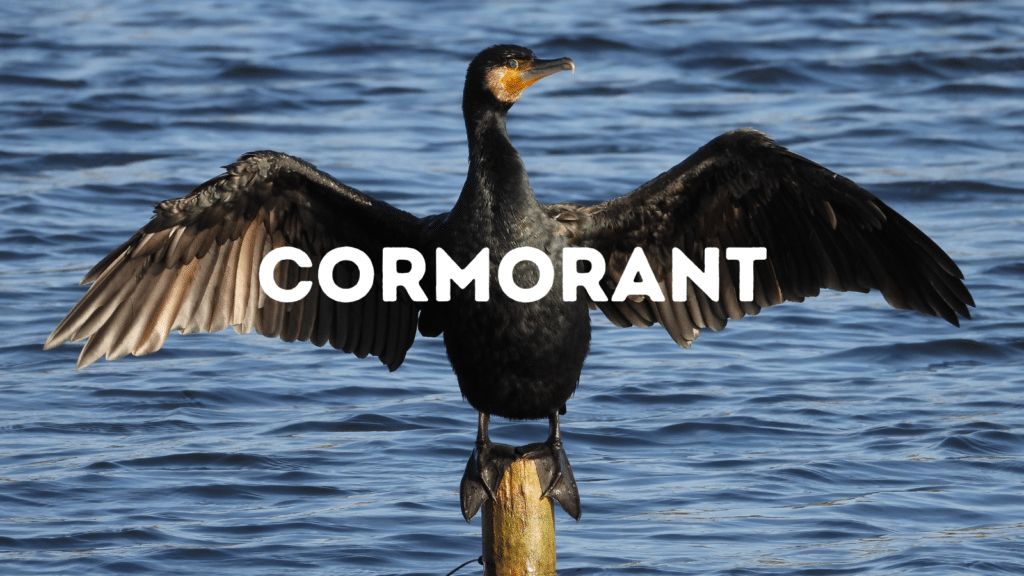
Cormorant: Cormorants are found on every continent except Antarctica, living along coastlines, lakes, and rivers. After diving underwater to catch fish, they are famous for standing with their wings spread open to dry.
Crossbill: Crossbills live in conifer forests across North America, Europe, and Asia. Their unusual crossed beaks are perfectly adapted for prying seeds from pine cones.
Currawong: Currawongs are native to Australia, where they live in forests, woodlands, and suburban gardens. Their beautiful flute-like calls echo through the bush, especially at dawn and dusk.
Dowitcher: Dowitchers breed in the wetlands and tundra of North America and migrate to marshes, mudflats, and shorelines across the Americas. Their long, sewing machine-like probing motion helps them quickly locate worms and other invertebrates hidden in the mud.
Eremomela: Eremomelas are small songbirds found throughout sub-Saharan Africa in woodlands, savannas, and thorn scrub. They are energetic insect hunters that constantly flit through foliage searching for tiny prey.
Fairywren: Fairywrens are native to Australia and New Guinea, where they inhabit grasslands, forests, and shrublands. Males of many species develop dazzling blue breeding plumage that contrasts dramatically with their otherwise modest appearance.
Fieldfare: Fieldfares breed across northern Europe and Asia and migrate south during the winter months. These sociable thrushes often gather in large flocks that feast on berries and fruit during cold weather.
Firecrest: The firecrest is found in woodlands across much of Europe and parts of North Africa. Despite its tiny size, this energetic bird boldly defends its territory from much larger birds.
Firecrown: Firecrowns are hummingbirds found in the temperate forests of Chile and southwestern Argentina. The males display brilliant iridescent crowns that shimmer brilliantly in the sunlight while defending nectar-rich flowers.
Firefinch: Firefinches live throughout sub-Saharan Africa in grasslands, woodland edges, and gardens. Their vivid crimson plumage makes them one of Africa’s most colorful seed-eating birds.
Flameback: Flamebacks are woodpeckers native to South and Southeast Asia, where they inhabit forests, plantations, and parks. Their brilliant golden backs and scarlet crests make them easy to spot as they climb tree trunks searching for insects.
Flufftail: Flufftails inhabit marshes and wetlands across Africa, Madagascar, and parts of Asia. These shy birds are seldom seen because they spend most of their time hidden among dense reeds and grasses.
Francolin: Francolins occur across Africa and southern Asia in grasslands, scrub, and open woodland. They are ground-dwelling birds that rely on camouflage and quick bursts of flight to escape predators.
Friarbird: Friarbirds are found throughout Australia, New Guinea, and nearby islands in forests and woodlands. Their loud calls and brush-tipped tongues help them compete with other nectar-feeding birds for flowering trees.
Frogmouth: Frogmouths inhabit forests and woodlands across Australia, New Guinea, and Southeast Asia. Their exceptional camouflage allows them to resemble broken tree branches while resting during the day.
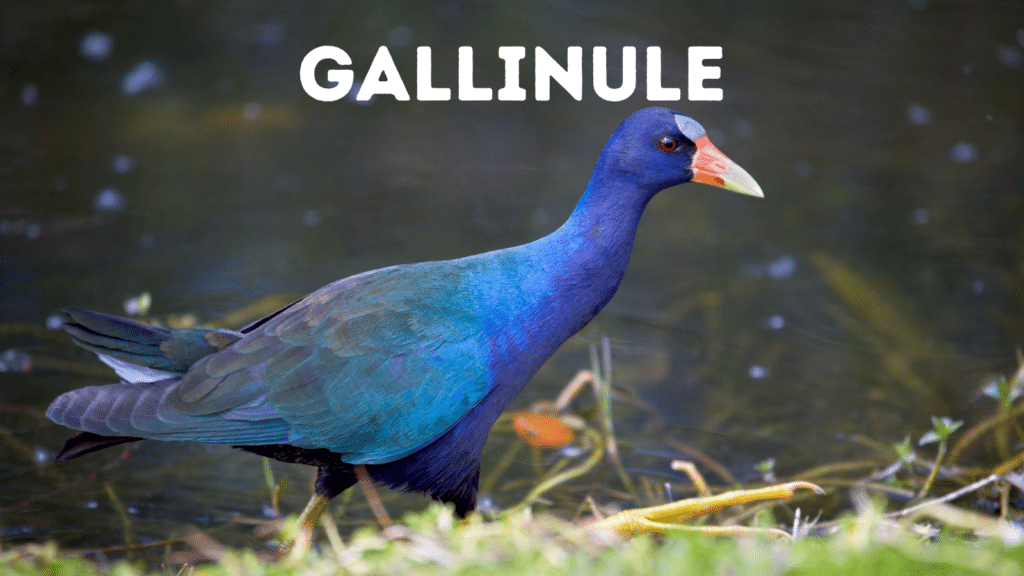
Gallinule: Gallinules live in wetlands on every continent except Antarctica. Their unusually long toes spread their weight, allowing them to walk across floating vegetation with ease.
Gnateater: Gnateaters are found in the tropical forests of Central and South America. These secretive birds forage close to the forest floor, searching leaf litter for insects and spiders.
Goldeneye: Goldeneyes breed on lakes and rivers across North America and Eurasia before wintering along sheltered coastlines and inland waters. They are expert diving ducks that pursue fish, aquatic insects, and crustaceans underwater.
Goldfinch: Goldfinches occur across Europe, Asia, and North America, depending on the species. They are among the few songbirds that delay nesting until late summer, when thistle seeds are abundant.
Grassbird: Grassbirds inhabit tall grasslands, marshes, and reed beds across Australia, Asia, and parts of Africa. Although they are often difficult to see, their loud, repetitive songs readily reveal their presence.
Grassquit: Grassquits occur throughout the Caribbean, Central America, and South America in open fields and brushy habitats. Males perform bouncing display flights during courtship while singing to attract females.
Grasswren: Grasswrens are endemic to Australia, where they inhabit arid shrublands and spinifex grasslands. Their cryptic brown plumage provides excellent camouflage among dry vegetation.
Grenadier: Grenadiers are colorful finches native to eastern Africa’s dry savannas and scrublands. Males develop striking crimson plumage during the breeding season, making them favorites among birdwatchers.
Guillemot: Guillemots breed on rocky sea cliffs in the North Atlantic and North Pacific Oceans. Excellent swimmers, they use their wings to “fly” underwater while chasing fish.
Gyrfalcon: Gyrfalcons inhabit Arctic tundra across North America, Europe, and Asia. As the world’s largest falcon, they are powerful predators capable of taking prey as large as geese and ptarmigans.
Honeybird: Honeybirds are found throughout sub-Saharan Africa in woodlands, forests, and savannas. Several species are known for leading humans and other mammals to wild beehives, where both benefit after the hive is opened.
Kittiwake: Kittiwakes breed on steep sea cliffs across the North Atlantic and North Pacific before spending much of the year far out at sea. Their name comes from their distinctive call, which sounds like “kitti-waake.”
Lancebill: Lancebills are hummingbirds that inhabit humid forests along the Andes of South America. Their exceptionally long, straight bills are perfectly adapted for feeding from deep, tubular flowers.
Logrunner: Logrunners are native to the rainforests of eastern Australia and New Guinea. They use their unusually stiff tail feathers as a brace while scratching through leaf litter in search of insects.
Merganser: Mergansers breed on lakes and rivers across North America, Europe, and Asia. Their narrow, serrated bills act like fish-grabbing tools, helping them catch slippery prey underwater.
Metaltail: Metaltails are small hummingbirds found high in the Andes Mountains of South America. Many species have iridescent tail feathers that shimmer with metallic colors in the sunlight.
Mousebird: Mousebirds are found only in sub-Saharan Africa, where they inhabit woodlands, savannas, and gardens. Unlike most birds, they can climb through branches almost like small mammals, using all four toes to grip.
Nativehen: The Tasmanian Native-hen is found primarily in Tasmania, where it inhabits wetlands, grasslands, and farmland. Although it cannot fly well, it is an excellent runner and often travels in family groups.
Nighthawk: Nighthawks breed throughout North and South America in open country, cities, and grasslands. Despite their name, they are not hawks but members of the nightjar family that catch flying insects on the wing.
Pardalote: Pardalotes are tiny birds native to Australia, where they live in eucalyptus forests and woodlands. They excavate nesting tunnels in earthen banks and help control insect populations by feeding heavily on lerps and other tiny insects.
Partridge: Partridges occur across Europe, Asia, Africa, and the Middle East in grasslands, farmland, and scrub. These ground-dwelling birds rely on camouflage and explosive bursts of flight to evade predators.
Phalarope: Phalaropes breed in Arctic regions of North America and Eurasia before migrating to oceans and tropical waters. They often spin rapidly in circles on the water’s surface to create whirlpools that bring tiny prey within reach.
Pilotbird: Pilotbirds are found in the cool forests of southeastern Australia. They commonly follow lyrebirds as they scratch through leaf litter, feeding on insects exposed by the larger birds’ activity.
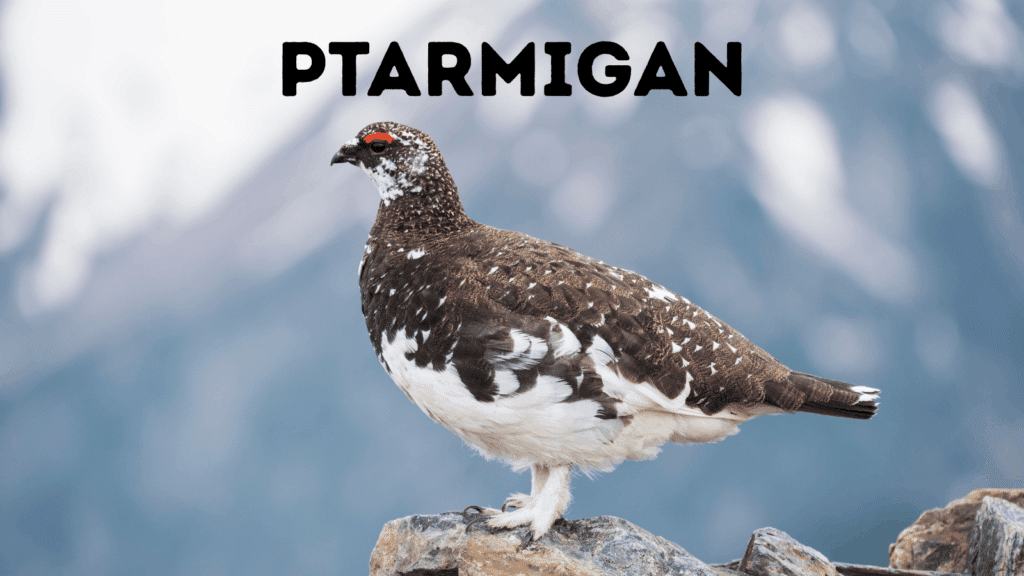
Ptarmigan: Ptarmigans inhabit Arctic tundra and alpine mountains across North America, Europe, and Asia. Their plumage changes from mottled brown in summer to brilliant white in winter, providing excellent camouflage in every season.
Razorbill: Razorbills breed on rocky sea cliffs throughout the North Atlantic Ocean and spend the winter offshore in cold coastal waters. Their deep, laterally flattened bills help them catch fish while pursuing prey underwater.
Riflebird: Riflebirds are birds-of-paradise found in the rainforests of Australia and New Guinea. Males perform spectacular courtship displays, spreading their glossy black feathers to reveal dazzling iridescent blue highlights.
Rosefinch: Rosefinches inhabit forests, scrublands, and mountain regions across Europe and Asia. Many males develop brilliant shades of rosy red during the breeding season, making them easy to spot among green foliage.
Sabrewing: Sabrewings are large hummingbirds native to Central America and southern Mexico. Males perform impressive aerial displays while flashing their iridescent plumage to attract females.
Sandpiper: Sandpipers are found on every continent except Antarctica, inhabiting beaches, mudflats, wetlands, and tundra. Many species migrate thousands of miles each year, making some of the longest journeys of any shorebirds.
Sapsucker: Sapsuckers are woodpeckers found throughout North America in forests and woodlands. They drill orderly rows of small holes in tree bark to feed on sap and the insects attracted to it.
Scrubbird: Scrubbirds are rare birds found only in a few isolated areas of Australia. They spend most of their lives hidden in dense undergrowth, making them one of the country’s most elusive birds.
Scrubfowl: Scrubfowl inhabit forests and coastal scrub in Australia, New Guinea, and nearby islands. Instead of incubating their eggs with body heat, they bury them in large mounds of decaying vegetation that naturally generate warmth.
Scrubwren: Scrubwrens are widespread across Australia, New Guinea, and nearby islands in forests, shrublands, and gardens. These active little birds spend much of the day hopping through dense vegetation in search of insects.
Seedeater: Seedeaters occur throughout Central and South America in grasslands, marshes, and open countryside. Their short, powerful bills are specially adapted for cracking even the toughest grass seeds.
Seedsnipe: Seedsnipes inhabit the high Andes and the windswept grasslands of southern South America. Although they resemble shorebirds, they feed primarily on leaves, buds, and seeds rather than aquatic animals.
Sheartail: Sheartails are hummingbirds found in Mexico, Central America, and parts of the Caribbean, depending on the species. Their graceful forked tails and swift, agile flight make them striking visitors to flowering plants.
Sharpbill: Sharpbills inhabit humid forests of South America, especially within the Amazon Basin. Their pointed bills allow them to capture insects and other small prey hidden among leaves and bark.
Shortwing: Shortwings are secretive birds found in the forests of Asia, especially in mountainous regions. They spend much of their time on or near the forest floor, where their rich songs often reveal their presence before they are seen.
Silvereye: Silvereyes are widespread across Australia, New Zealand, and many Pacific islands. Their conspicuous white eye-ring gives them their common name, and they are famous for seasonal migrations known as “silvereye invasions.”
Snowfinch: Snowfinches inhabit high mountain ranges across Europe and Asia, including the Alps and the Himalayas. Their thick plumage helps them survive freezing temperatures and strong alpine winds.
Solitaire: Solitaires are found in forests from North and Central America to South America, depending on the species. They are celebrated for their beautiful, flute-like songs that often echo through mountain woodlands.
Spadebill: Spadebills inhabit tropical forests of South America. Their broad, flattened bills help them snatch insects from leaves and branches with remarkable precision.
Spinetail: Spinetails are found throughout Central and South America in forests, scrub, and grasslands. Their stiff, pointed tail feathers provide support while climbing through dense vegetation in search of insects.
Spinebill: Spinebills are small nectar-feeding birds native to Australia. Their long, curved bills are perfectly shaped for reaching deep into tubular flowers while also helping pollinate native plants.
Spoonbill: Spoonbills occur on every continent except Antarctica in wetlands, marshes, and shallow coastal waters. They sweep their distinctive spoon-shaped bills from side to side through the water to detect fish, crustaceans, and aquatic insects.
Stonechat: Stonechats are found across Europe, Asia, and Africa in open grasslands, heathlands, and scrub. Their name comes from their sharp call, which resembles the sound of two stones being tapped together.
Sugarbird: Sugarbirds are found only in southern Africa, especially in the fynbos shrublands of South Africa. Their long tails and curved bills are perfectly adapted for feeding on the nectar of protea flowers.
Thornbill: Thornbills are tiny songbirds found throughout Australia in forests, woodlands, and shrublands. Despite their small size, they are energetic insect hunters that constantly flit among branches and leaves.
Thorntail: Thorntails are hummingbirds native to the tropical forests of northern South America. The males’ slender, pointed tail feathers give these tiny birds their distinctive name.
Treeswift: Treeswifts inhabit forests and woodland edges across South and Southeast Asia. Unlike true swifts, they perch openly on branches, where their superb camouflage helps them blend into the bark.
Trumpeter: Trumpeters are found in the tropical rainforests of the Amazon Basin in South America. These social, ground-dwelling birds communicate with loud, trumpet-like calls and often travel in family groups.
Turnstone: Turnstones breed in Arctic tundra and migrate to rocky coastlines and beaches around the world. They earn their name by flipping over pebbles, shells, and seaweed to uncover insects, crustaceans, and other small prey.
Violetear: Violetears are hummingbirds found from Mexico through Central America and into South America. Their brilliant violet ear patches shimmer in the sunlight as they dart among flowering plants in search of nectar.
Watercock: Watercocks inhabit freshwater marshes, swamps, and rice fields throughout South and Southeast Asia. During the breeding season, males develop glossy black plumage and bright red frontal shields that make them especially eye-catching.
Whiteface: Whitefaces are small finch-like birds native to the dry grasslands and shrublands of Australia. Their pale facial markings and highly social nature make them easy to recognize as they forage in small flocks.
Widowbird: Widowbirds occur across sub-Saharan Africa in grasslands and wetlands. During the breeding season, males of several species grow spectacularly long tail feathers that they display in graceful aerial courtship flights.
Woodnymph: Woodnymphs are hummingbirds found in the tropical forests of Central and South America. Their iridescent green plumage and rapid, agile flight make them dazzling visitors to rainforest flowers.
Yellowleg: Yellowlegs breed in northern North America and migrate to wetlands across the Americas. Their bright yellow legs make them easy to identify while they wade through shallow water searching for prey.
You also might like
- Three-Letter Bird Names
- Four-Letter Bird Names
- Five-Letter Bird Names
- Six-Letter Bird Names
- Seven-Letter Bird Names
- Eight-Letter Bird Names
Pin it to remember

- Nine-Letter Bird Names: Beautiful Bird Species from Around the World - July 22, 2026
- 8 Letter Bird Names - August 14, 2024
- 7 Letter Bird Names - August 14, 2024